When driving in the fall, it’s important to be aware of the leaves and tree sap that fall from the trees. Not only are they crunchy and slippery underfoot, but they can also be a major nuisance when they get on your windshield.
 Written by Nino Kojadinovic
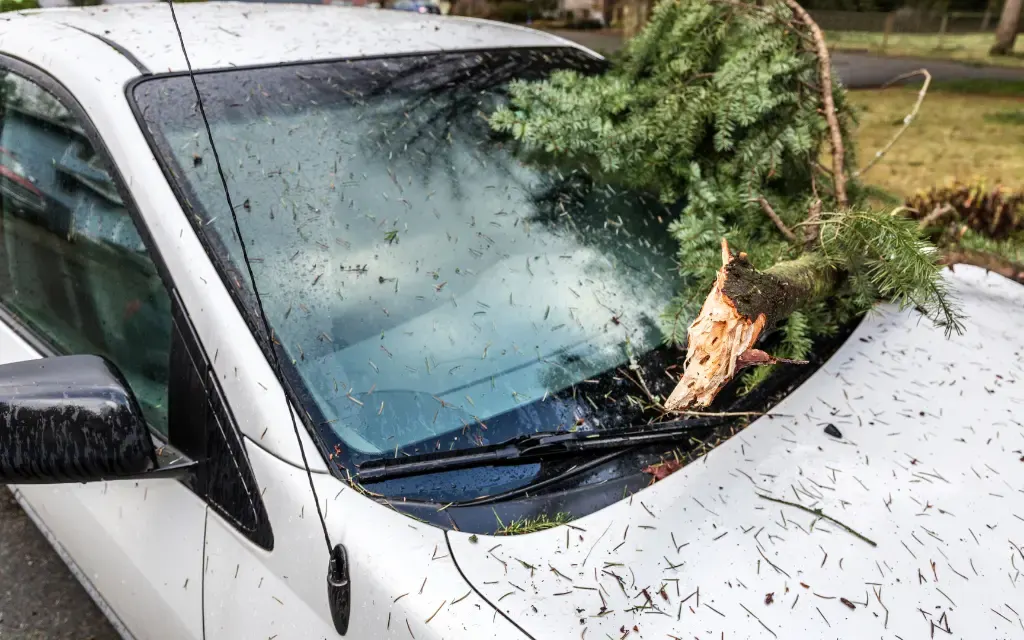
If you’re not careful, that sap will smear all over your window and make it impossible to see. But don’t worry – getting sap off the windshield is easy! In just three simple steps, you can have your view back again. Read on for all the details.
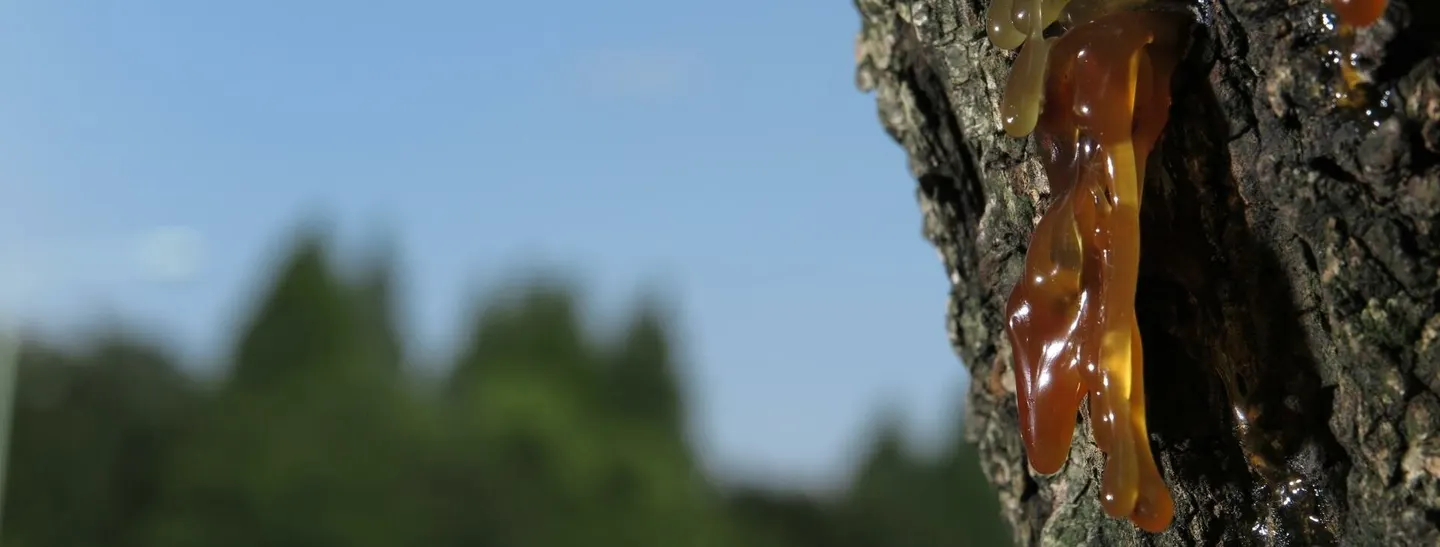
Tree sap is a sticky, viscous fluid that flows through the veins of trees. It is mainly made up of water, but it also contains sugars, amino acids, and other nutrients that trees need to survive.
The sap is essential for a tree’s ability to transport water and nutrients from the roots to the leaves. It also helps to protect the tree from insect damage and disease. Sometimes, the sap can be used as a natural adhesive or sealant.
Pine sap is particularly sticky and can be difficult to remove from the car.
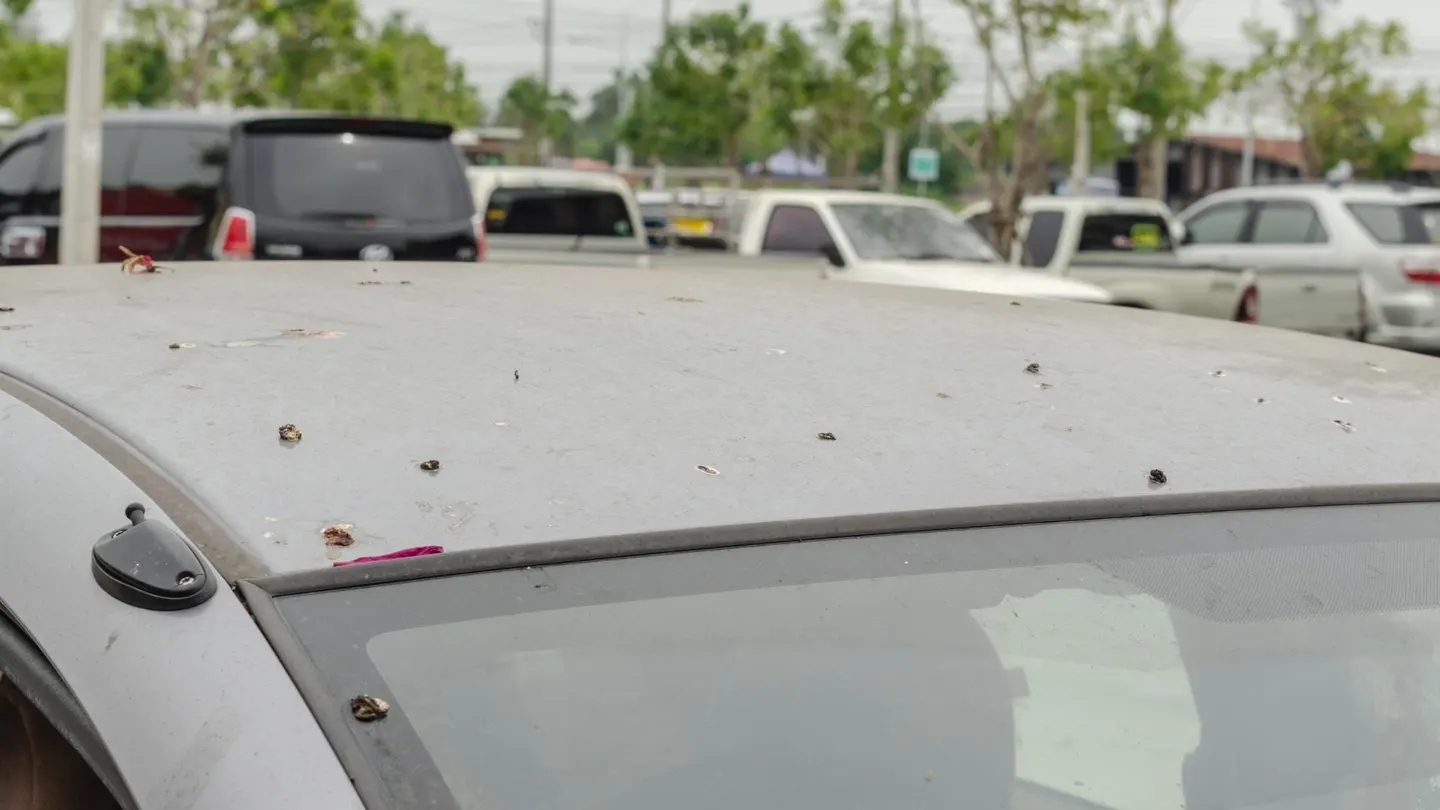
While tree sap is essential for the health of plants, it can be a real nuisance when it gets on your car. Hardened tree sap is challenging to remove from surfaces like auto glass and paint because it contains large amounts of polymers.
These polymers are long chains of molecules that are attracted to each other. When they come into contact with a surface, they form a strong bond that is extremely difficult to break. In addition, tree sap tends to harden quickly as it dries, making it even more difficult to remove.
If you find yourself in a sticky situation, there are 3 easy steps you can do to completely get rid of tree sap from your car’s windshield:
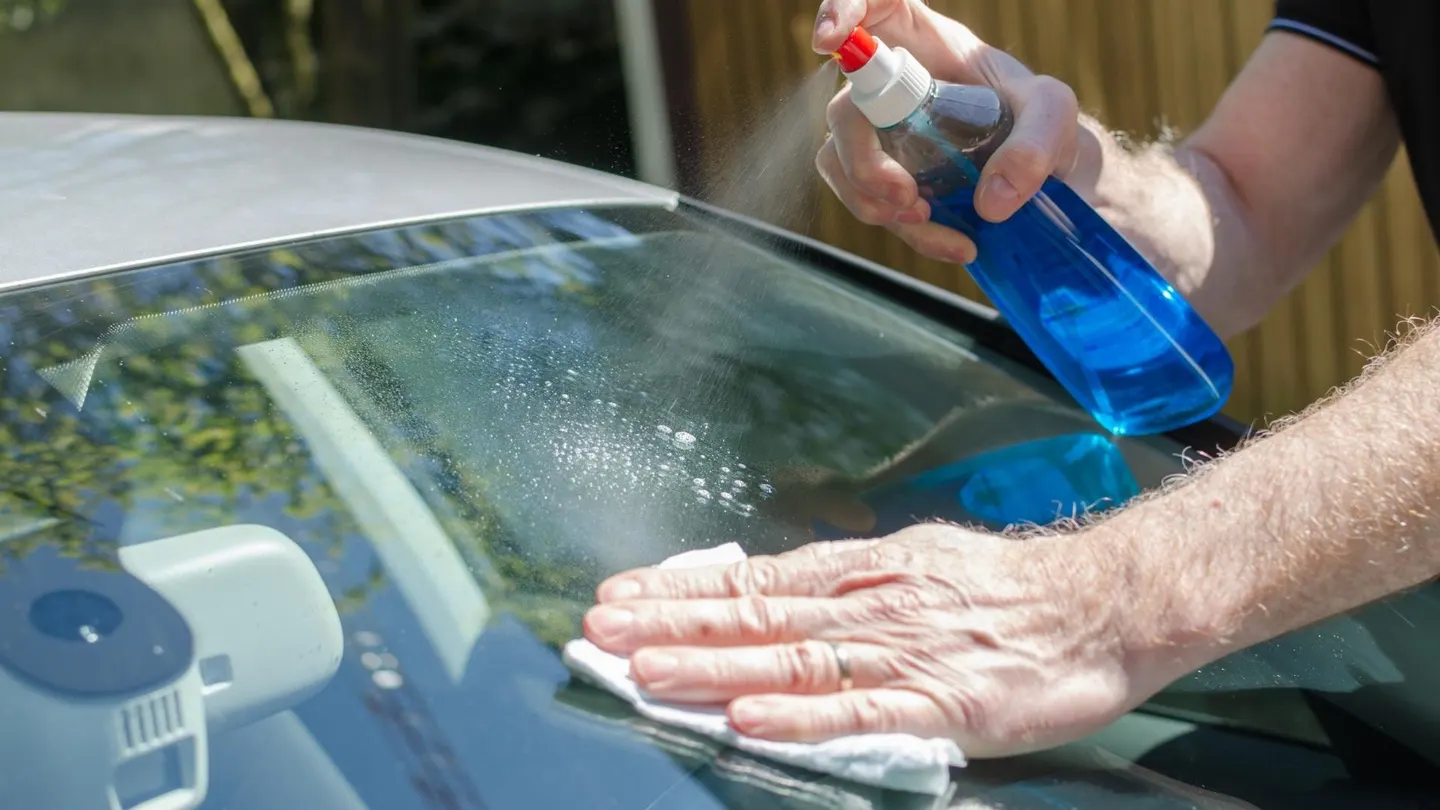
Before starting to clean tree sap off the windshield, it is important to first clean the windshield with a glass cleaning agent. There is a couple of reasons for that:
This will help you to see all of the sap that is stuck to the windshield and avoid missing any spots;
When you rub the sap off, dirt can act as an abrasive and scratch the windshield. For this reason, it is important to ensure that the area around the sap is clean before you start rubbing.
In addition, it is important to make sure that the windshield is dry before starting to clean the tree sap off. Otherwise, the tree sap could spread and become even more difficult to remove.
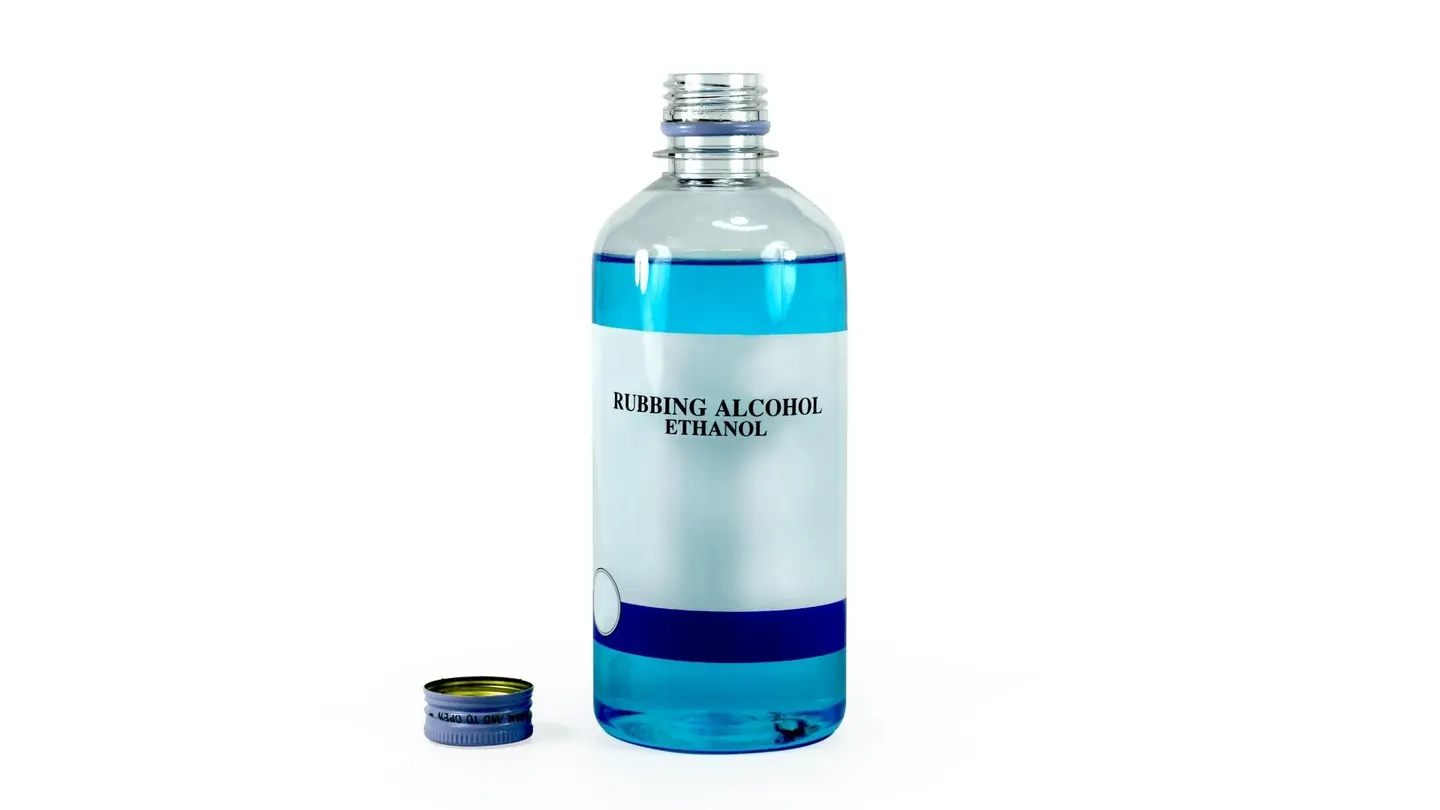
Tree sap can be a real pain to remove from your car’s windshield. But with rubbing alcohol and a microfiber cloth, it’s a breeze! Add a few drops of rubbing alcohol to the cloth and gently rub the sap until it comes off.
We recommend the same process when removing stickers from your windshield. If the sap is really stubborn, you can use a razor blade to scrape it off. Just be careful not to scratch the windshield.
Now that you’ve removed the sap spots from your windshield, it’s time to clean the glass itself. Auto glass cleaner is the best way to remove any leftover tree sap and rubbing alcohol. A windshield glass cleaner will also help to remove any streaks or smears that may have been left behind.
Be sure to use a proper, not ammonia-based, cleaning solution to avoid damaging the windshield. Finally, buff the glass with a clean cloth to remove any residual cleaner and restore the shine. Your windshield should now be crystal clear!
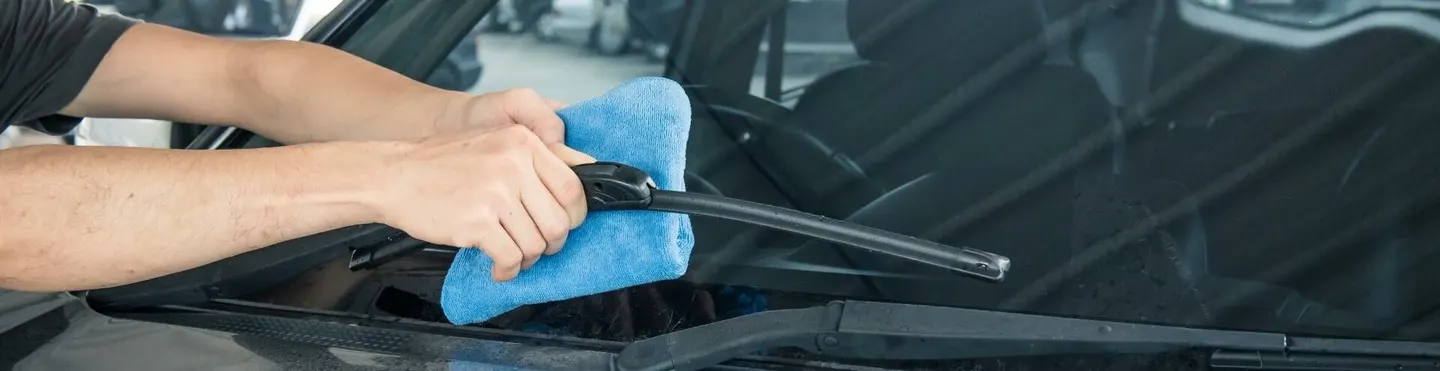
After you’ve removed the tree sap from your windshield, don’t forget to clean your wiper blades! Some tree sap may still be on the wipers, and you don’t want it to smear the windshield when you use them.
The best way to clean the wiper blades is with a paper towel and some rubbing alcohol. First, wet the paper towel with rubbing alcohol. Then, wipe down the wiper blades with the paper towel, making sure to get both sides. You may need to do this a few times to get all of the tree sap off.
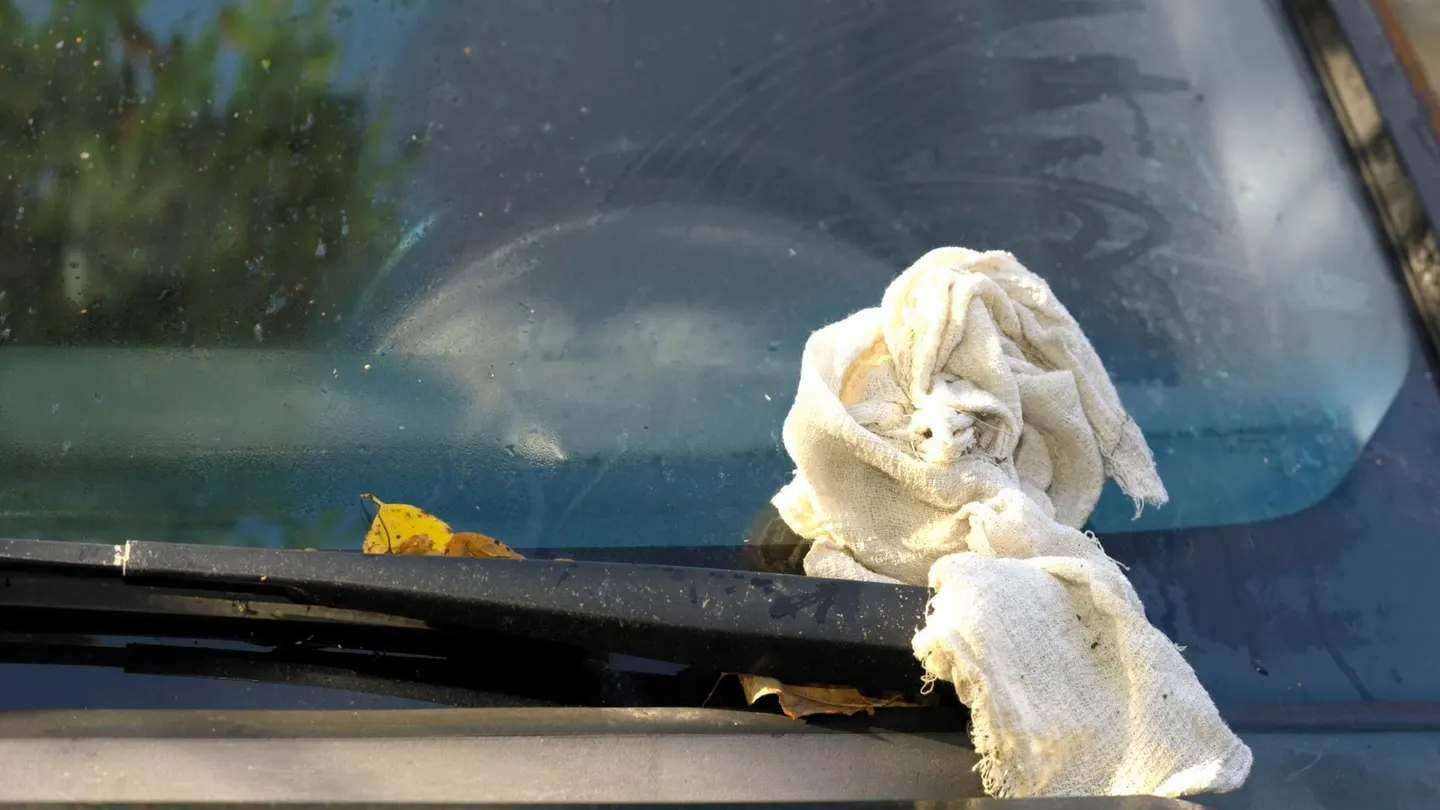
If you find yourself in this sticky situation, there are a few things you’ll want to avoid using to remove tree sap.
First, don’t reach for the peanut butter or mayonnaise. Despite what you may have read online, these oils will not help to soften the sap. In fact, they will probably just make the mess worse.
Instead, look for products that contain alcohol, as this will help to dissolve the sap. Rubbing alcohol is a perfect option. Whatever product you use, test it on a small area first to ensure it doesn’t damage the paint. With the right alcohol-based product, you’ll have that sap removed in no time.
No one likes to find sticky sap on their car, especially after it’s been baking in the sun all day. Tree sap can be difficult to remove and can cause permanent damage if not dealt with quickly. So how can you avoid this sticky mess in the first place?
The best way to avoid tree sap is to park in a shady spot, away from any trees. If you can’t prevent that, consider covering your car with a special cover. Finally, be sure to clean your car regularly. This will help to remove any sap that has already been collected on the surface.
If you’re thinking of parking your car under a tree to keep it cool on a hot day, you may want to think again. While the shade from the tree may be enticing, there are a few potential drawbacks to consider.
First, sticky sap can fall from the leaves and onto your car, making it difficult to clean. Second, leaves from the tree can clog your car’s drain holes under the windshield, leading to water build-up and potentially damaging your car’s electrical system.
In short, it’s best to avoid parking under trees if possible.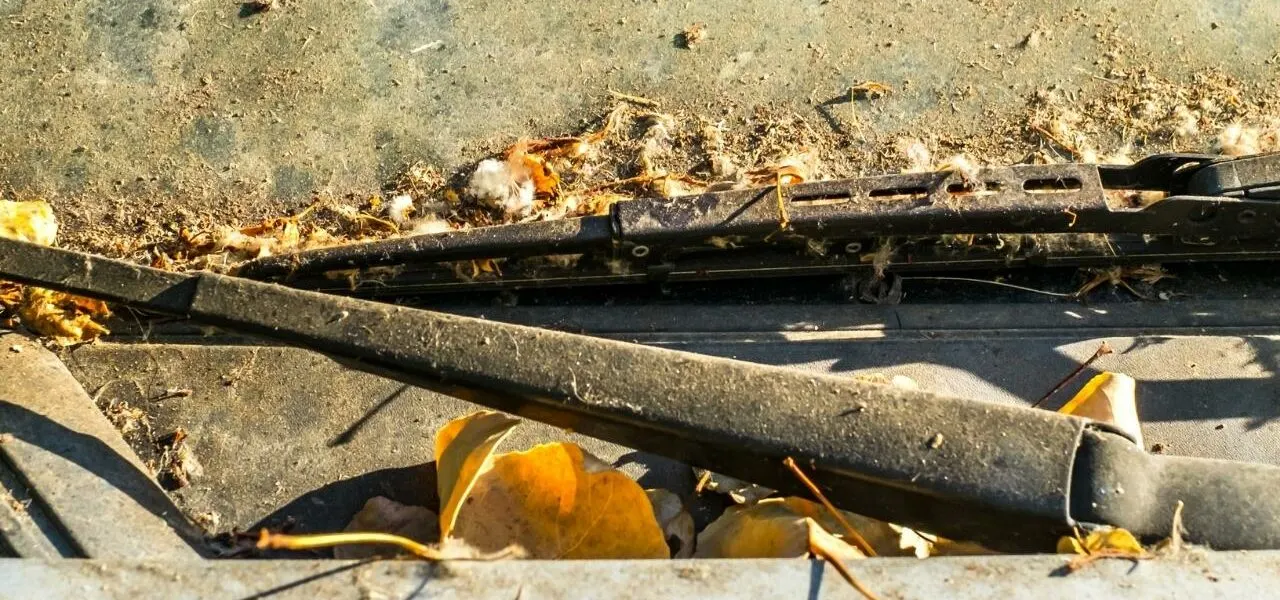
This article outlines three simple steps to removing tree sap from your windshield and paint. We’ve also listed some of the best ways to avoid getting sap on your car in the first place, as well as what not to use when cleaning off the sap.

Looking for a windshield replacement quote for your Toyota Camry? Technicians in our network work on ADAS-equipped cars, and you get a price before any work starts.

Seeking a solution to prevent prying eyes from peeking into your car? Understanding privacy glass in a car is essential for you!
Have you noticed how newer car models utilize extensive glass surfaces to achieve a trendy design and appearance? These models don’t only have a clear windshield (laminated auto glass) and tempered auto glass in the rear and doors.