In the ever-evolving world of automotive technology, precision is paramount, and I’m here to guide you through this fascinating explanation of the car VIN number.
 Written by
Precision is crucial in our daily work regarding all new and requested auto glass replacements.
Whether you need a windshield replacement, back window replacement, or any other auto glass service, ensuring the correct fit for your vehicle is essential.
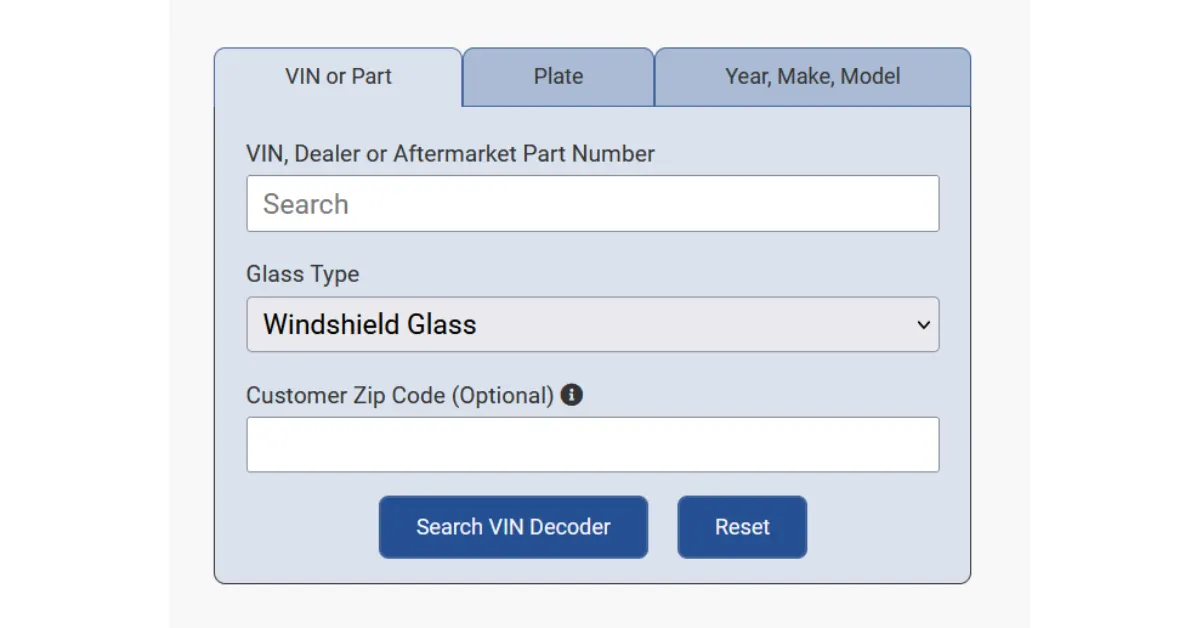
To obtain a replacement quote, you will likely need to provide your vehicle registration or Vehicle Identification Number (VIN). You might wonder why this is necessary and why they can’t offer you a price.
This seemingly straightforward request is crucial to ensure your car gets the right glass replacement, and that you receive an accurate quote based on the information obtained from the vehicle’s registration and/or VIN number.
When you request a quote from US Auto Glass, your VIN lets the technician in our network check your car’s exact glass before giving you a price.
Newer cars in particular come in versions with different glass: heated or not, with or without a rain sensor, with or without ADAS functions like Lane Departure Warning.
Deciphering your VIN is relatively straightforward when dealing with an auto glass replacement company. It gives the technician crucial information about your vehicle quickly.
Think of your VIN as your car’s unique code; it’s a distinct 17-character alphanumeric code that reveals your vehicle’s identity, including its make, model, year, and place of manufacture.
Your VIN is divided into three sections: the World Manufacturer Identifier (WMI), the Vehicle Descriptor Section (VDS), and the Vehicle Identifier Section (VIS).
The WMI, comprising the first three characters, represents the country and manufacturer.
The VDS, encompassing characters 4 to 9, details the make, model, body, and engine type.
The last eight characters, the VIS, are unique to your vehicle and offer information about the year, assembly plant, and serial number.
The significance of your VIN number is to ensure compatibility when replacing auto glass or any other part of your vehicle.
Checking your VIN is crucial, especially before dispatching a technician to your location to get the job done, avoiding costly mistakes. There’s nothing more unprofessional than arriving with the wrong auto glass.
Technicians check the VIN with decoding services in the US, such as AutoGlassCRM or AutoBolt. Using the correct glass is not just a matter of aesthetics but is enforced to uphold driving safety.
Attempting to install the wrong glass can lead to poor visibility, compromised structural integrity, and legal issues.
Let’s be fair: who has their vehicle identification number memorized?
Auto manufacturers produce vehicles of the same model and year with slightly different glass features, also known as trims.
For instance, some might have rain sensors, while others do not.
A parts check with your VIN shows the exact features of your car’s original glass, so the replacement matches.
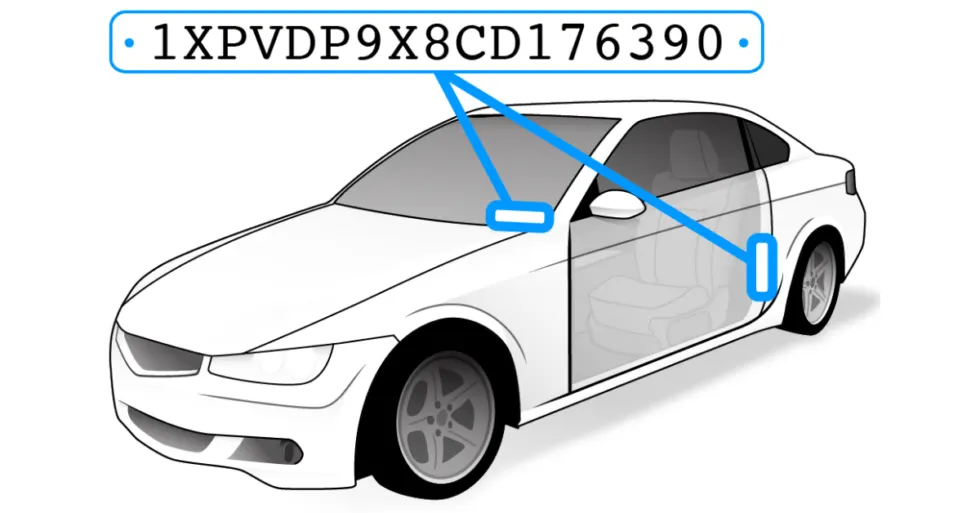
Locating your VIN is relatively easy. Here are some common places where you can find it:
This unique 17-digit number contains all the specifics about your vehicle, including the correct type of glass required.
It’s not just about size and shape. Factors like tint, rain sensor, and heating elements can vary depending on your car’s make, model, and year.

Looking for a windshield replacement quote for your Toyota Camry? Technicians in our network work on ADAS-equipped cars, and you get a price before any work starts.

Seeking a solution to prevent prying eyes from peeking into your car? Understanding privacy glass in a car is essential for you!
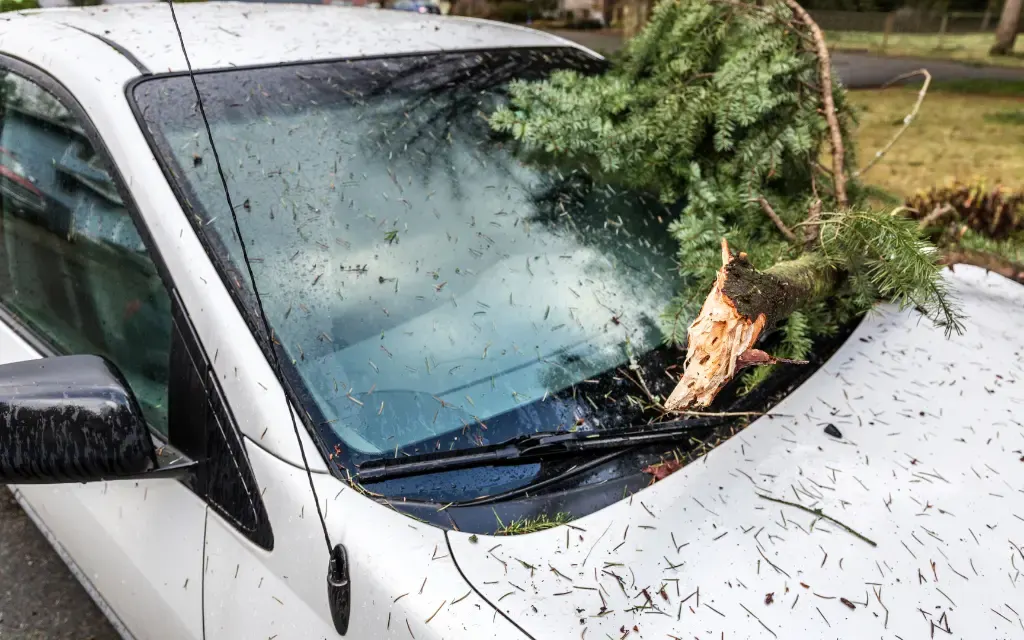
When driving in the fall, it’s important to be aware of the leaves and tree sap that fall from the trees. Not only are they crunchy and slippery underfoot, but they can also be a major nuisance when they get on your windshield.